


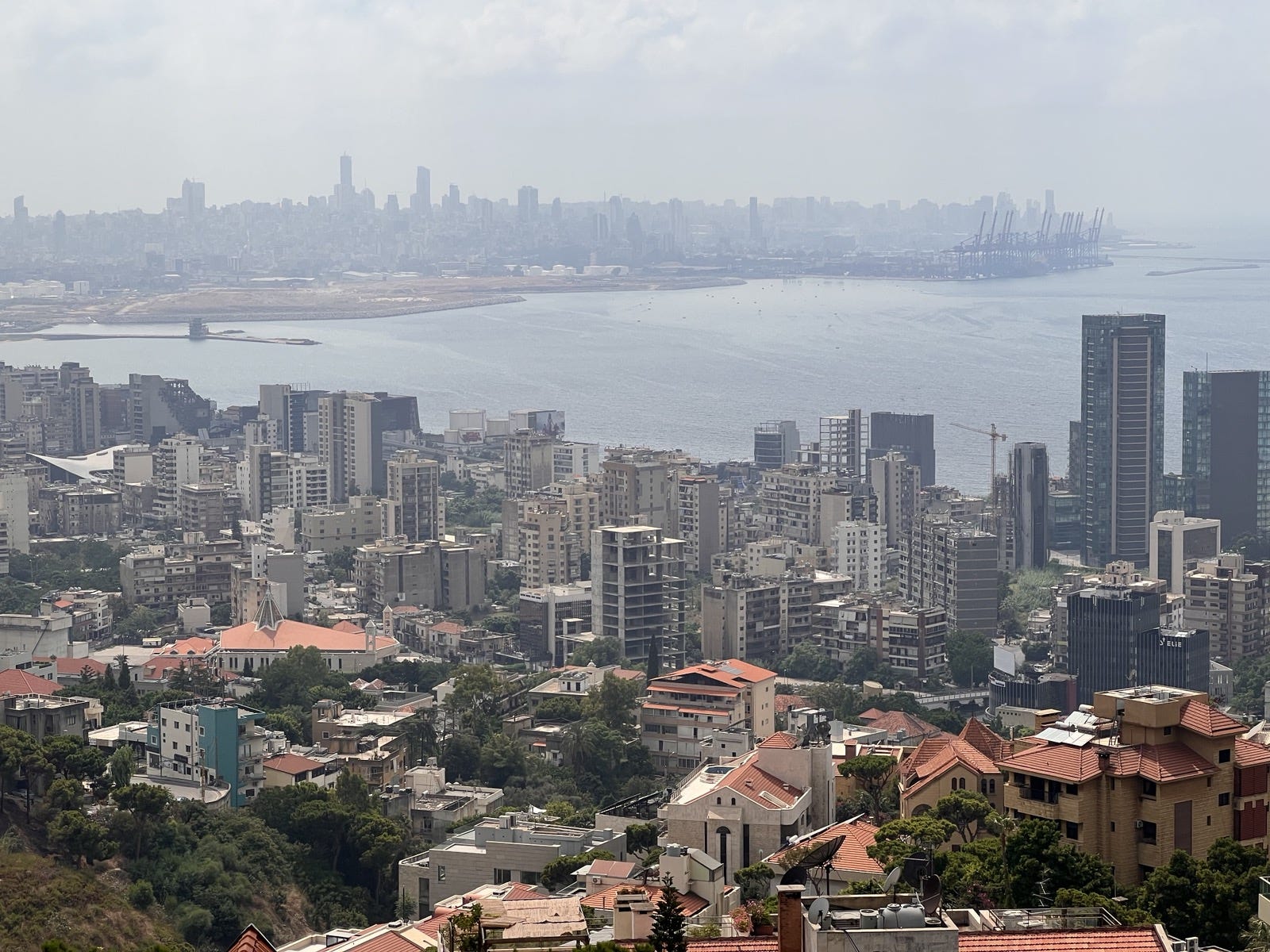
A striking sentiment is emerging on the ground in Lebanon: 20 years of regional political stagnation may have shifted within a few weeks.
And it may speak to a greater transformation. One that is secretly reshaping the entire Middle East.
I’ve been obsessed with this theory since I first heard of it last year, from a mysterious Kurdish insider who posts on X under the name EvanOnX. His analysis resonated with my long-held suspicions as an avid student of the region.
The theory claims that the Middle East is quietly undergoing an elite-pacted transition, discarding the traditional Shia-Sunni political divide and entering a period of pacification.
If this were the case, many things brought it about. Key being America’s desire to exit the region under the new Donroe Doctrine. The theory claims the new regional power is the Gulf Cooperation Council (“GCC”), a nascent alliance between the Gulf states. It asserts that the GCC will end the internecine conflict that America required to assert its influence in the region.
From this perspective, the Iranian war, like the 12-day war in 2025, is mere theatre. A necessary conflict that lets elite insiders eliminate internal hardliners. By leaking their coordinates to supposed enemies like Israel or the United States, powerful radicals can be sidelined without their ideological supporters catching on to the secret deal.
It sounds implausible. But enough bits of signal have surfaced to make me believe it’s on the money. For instance, a fascinating FT piece following the 12-day war in 2025 claimed that internal movements favouring moderation in Iran’s political system meant that “even without toppling the regime, Israel and the US’s assault is set to bring sweeping change rivalling the 1979 revolution.” Read more about it here.
And this week’s Lebanese conflict appears to back the theory even further.
It started when Hezbollah made the bizarre decision to launch an insignificant volley of rockets into Israel this week. This broke an American guarantee that Israel would not intervene in Lebanon and effectively invited the Israelis back into the country.
The speed and nature of the Lebanese reaction surprised even veteran Lebanese observers.
Not because of the wider Lebanese establishment’s general reaction; it has long hated Hezbollah’s power. Particularly its powerful Christian factions. This long-running resentment resulted in a disarmament order against Hezbollah in 2025, which, until this week, appeared relatively toothless.
The key development instead lies within Lebanon’s Shiite political establishment, Hezbollah’s traditional political ally. Recent comments suggest their perspective has shifted, and they have begun to see Hezbollah less as a protector and more as a destabilising liability.
As a recent Reuters article title outlined, “Hezbollah’s entry into Iran crisis deepens its isolation at home.”
For example, Nabih Berri, Lebanon’s Speaker of the House, leader of the Shiite Amal movement, and a key ally of Hezbollah, has publicly outlined that he felt misled by Hezbollah, and has refused to shield the group politically after the escalation.
To understand why this is so unprecedented, we need to start from the beginning.